
Understanding Your Breasts
Your breasts naturally change over time and even month to month. Hormones during your menstrual cycle can make your breasts feel different. They may feel tender, swollen, or lumpier than usual. These changes are normal and usually nothing to worry about. However, being familiar with how your breasts usually feel during different phases of your cycle helps you recognize when something unusual appears.
Doing breast self-examinations every month helps you get to know your body. By checking regularly, you'll notice which areas tend to feel more lumpy or dense during certain times of the month. This makes it easier to detect something new or different that you should mention to your doctor. It’s usually the best time to perform a self-exam a few days after your period ends.
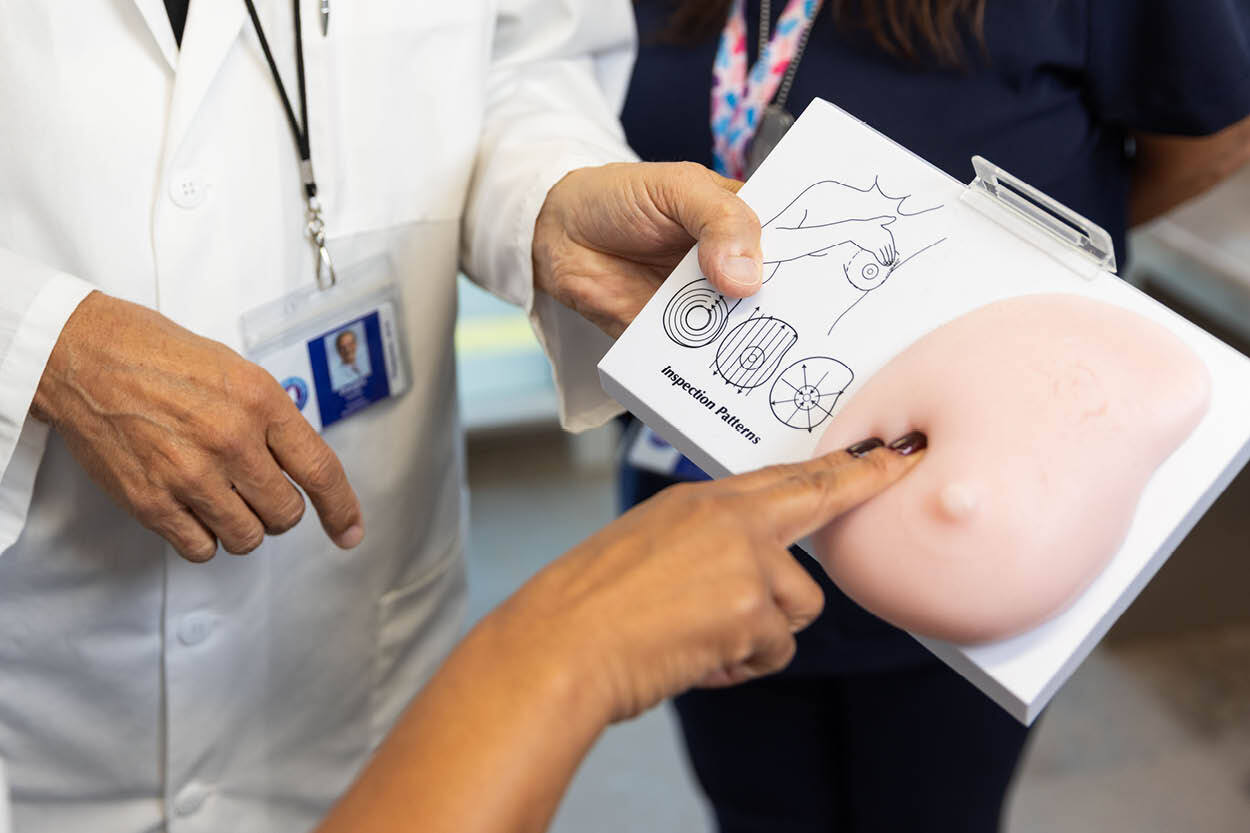
What should you look for during your monthly checks? Start by standing in front of a mirror with your arms at your sides, then lift them above your head. Watch for any visible changes in the size, shape, or outline of your breasts. Check for dimpling, puckering, or changes in the skin. Next, lie down and use your fingertips to feel your whole breast area, including up to your collarbone and out to your armpit. Move your fingers in circles and use different amounts of pressure to check thoroughly.
Most breast changes are harmless, but some signs mean you should call your doctor. These include a new lump that doesn't go away after your period, ongoing pain in one specific area, ot nipple discharge, especially if it's bloody. Also, check for changes in skin texture, such as dimpling or puckering, and let your doctor know if your nipple turns inward. Remember that most breast lumps are not cancerous, but it's always better to have any concerns evaluated.
January is a good time to start making monthly breast checks part of your health routine. The most important thing is to be consistent. Try to check at about the same time each month so you can compare more accurately.
Understanding your breasts isn't just about finding problems. It's about knowing your body and feeling confident in your health decisions. When you're familiar with what's normal for you, you can work with your healthcare partner as an informed partner, rather than relying solely on annual clinical exams to catch changes.
If you have questions about breast health or would like guidance on performing self-examinations, call New York Breast Health to schedule an appointment with our specialists. Our team is here to support you in maintaining your breast health throughout every stage of life.